尋找褪色的「東方之珠」:60-70年代香港遊客幻燈片與 Eastman Color 複製工藝
Rediscovering the Faded "Pearl of the Orient": 1960s-70s Hong Kong Tourist Slides and Eastman Color Duplication
尋找褪色的「東方之珠」:60-70年代香港遊客幻燈片與 Eastman Color 複製工藝
在數碼攝影尚未問世、彩色底片及沖印成本依然高昂的 1960 至 1970 年代,外國遊客來到香港,總會帶走一樣極具時代特色的紀念品——35mm 彩色遊客幻燈片(Color Slide Transparencies)。這些裝裱在印有「Hong Kong」字樣厚紙皮邊框裡的小小膠片,不僅是昔日旅人向親友展示東方異國風情的媒介,如今更是我們重構香港城市建築與歷史的重要視覺文獻。
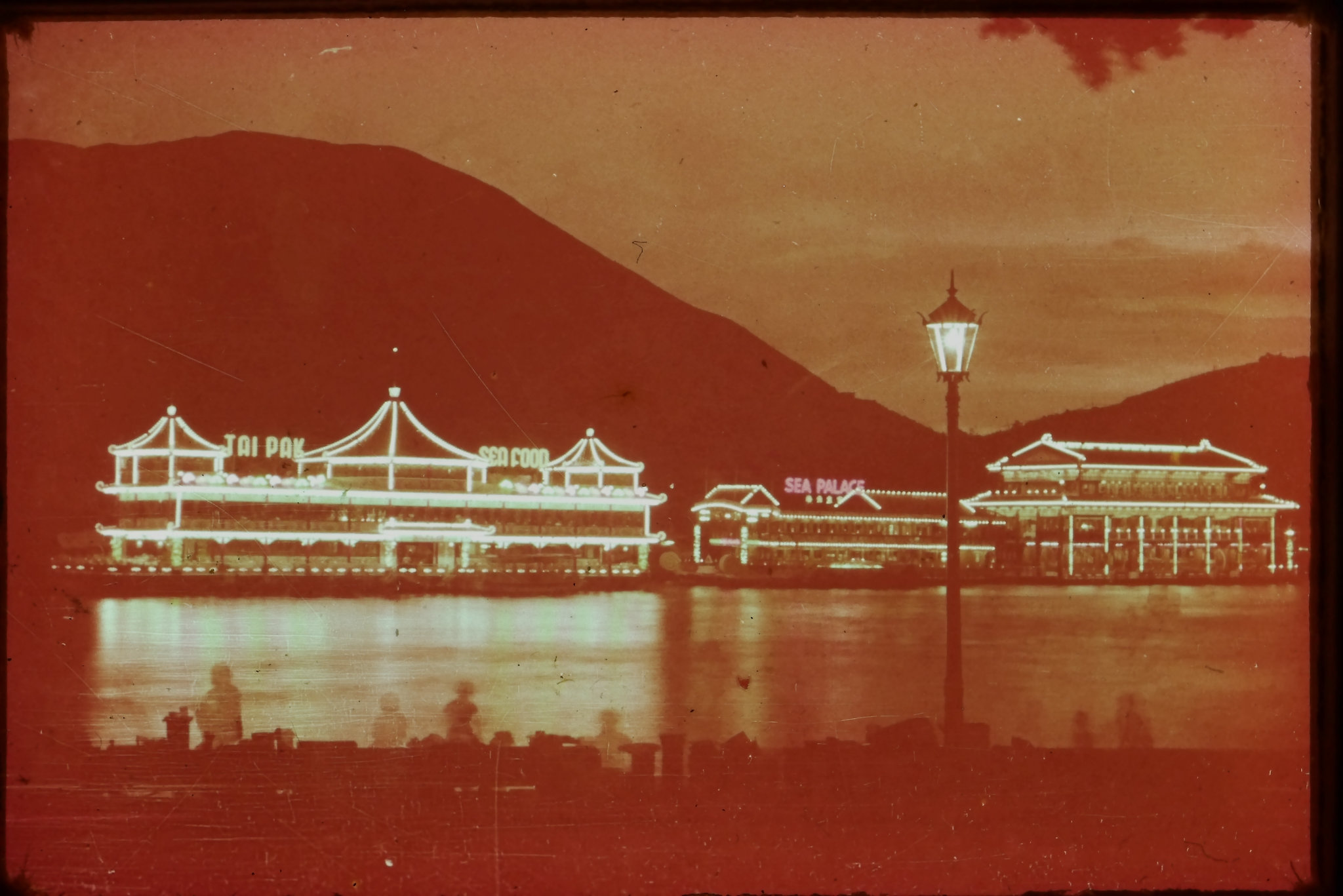
已經紅化的遊客紀念幻燈片
時代的紀念品:定格的香港風貌
當時的出版商為了迎合西方遊客的想像,選材極具本土特色。這些通常以 10 張至 30 張為一盒發售的幻燈片,收錄了許多如今已成追憶的經典場景:
維港與海事風貌: 穿梭維多利亞港的紅色帆船(Junk boats)與早期的天星小輪。
璀璨夜景與市街: 彌敦道上密密麻麻、爭奇鬥豔的霓虹招牌,以及充滿殖民地色彩的中環英式建築。
特色地標與風俗: 昔日的虎豹別墅(Aw Boon Haw Mansion)、新界圍村的生活面貌,以及穿梭在大街小巷的人力車。
揭開流水線的面紗:電影負片的降維應用
為何市面上會流傳著如此大量、構圖一模一樣的遊客幻燈片?答案在於高度機械化、且借鑒了電影工業的光學複製(Slide Duplication)工藝。
為了將量產成本壓到最低並實現本地快速交貨,當年的香港出版商絕大多數並非使用常規的彩色正片進行翻拍,而是採用了電影工業所用的 Eastman Color(伊士曼彩色)電影負片。這條流水線作業包含了幾個關鍵步驟:
從英國購入, 相信是母片
挑選母片 (Master Slide): 使用攝影師拍攝的高質素原片(通常是中片幅正片或 Kodachrome)作為翻拍母體。
引入電影負片工藝 (Internegative Process): 廠商會將母片先翻拍至 Eastman Color 電影負片 上,製作出一條包含所有畫面的「中間負片」(Internegative)。
高速大量印製 (High-Speed Printing): 宛如印製電影拷貝一般,技師將這條 Eastman Color 負片放入專業印片機,透過濾色片進行色彩補償,以極快的速度連續曝光印製到極為廉價的電影正片(Print Film)上。
連續沖洗與裝裱 (Processing & Mounting): 曝光後的底片經過大型電影連續沖洗機(標準電影底片化學工藝)顯影,最後裁切並壓入預先印好地點標籤的厚紙皮或塑膠邊框中,批發至尖沙咀或中環的紀念品店。
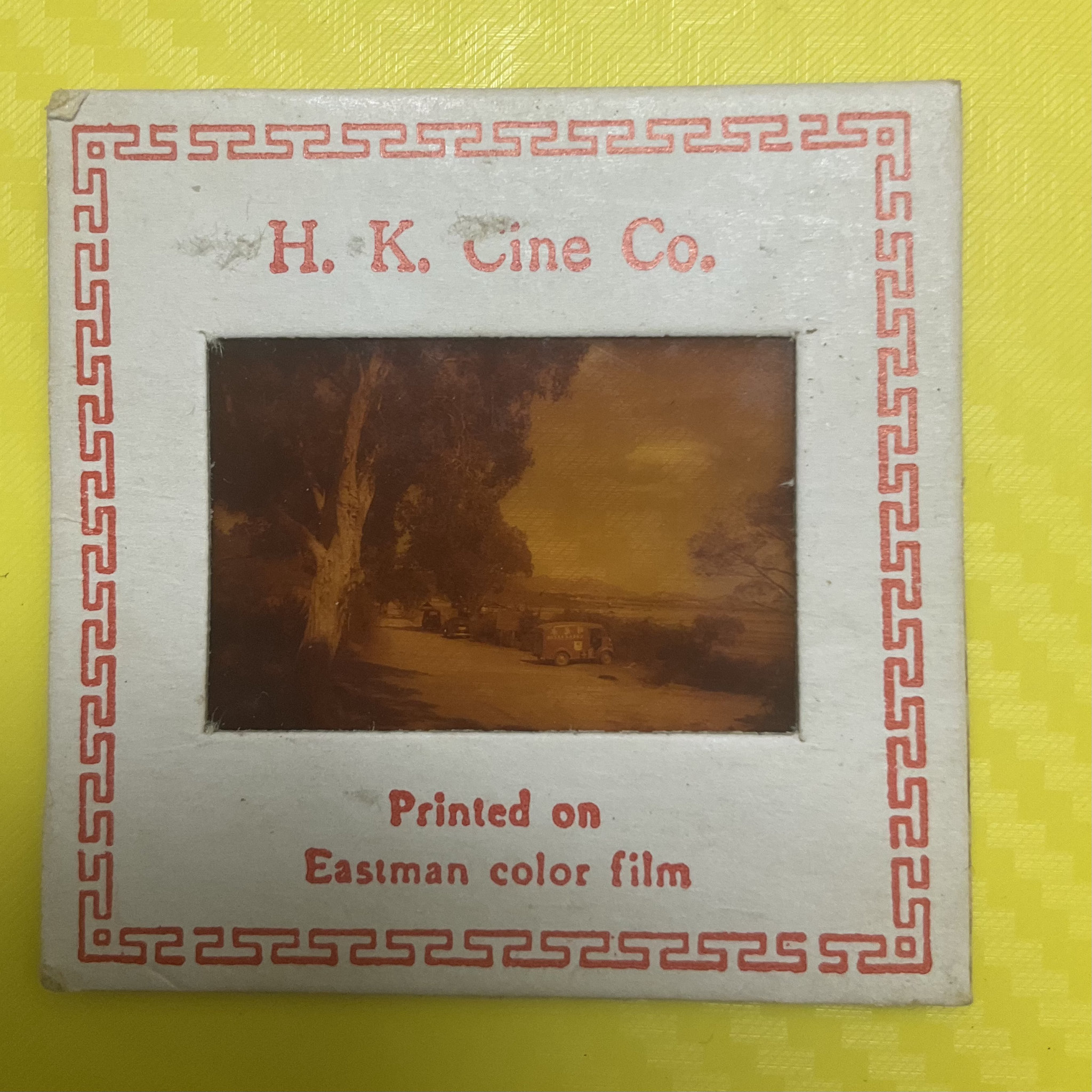
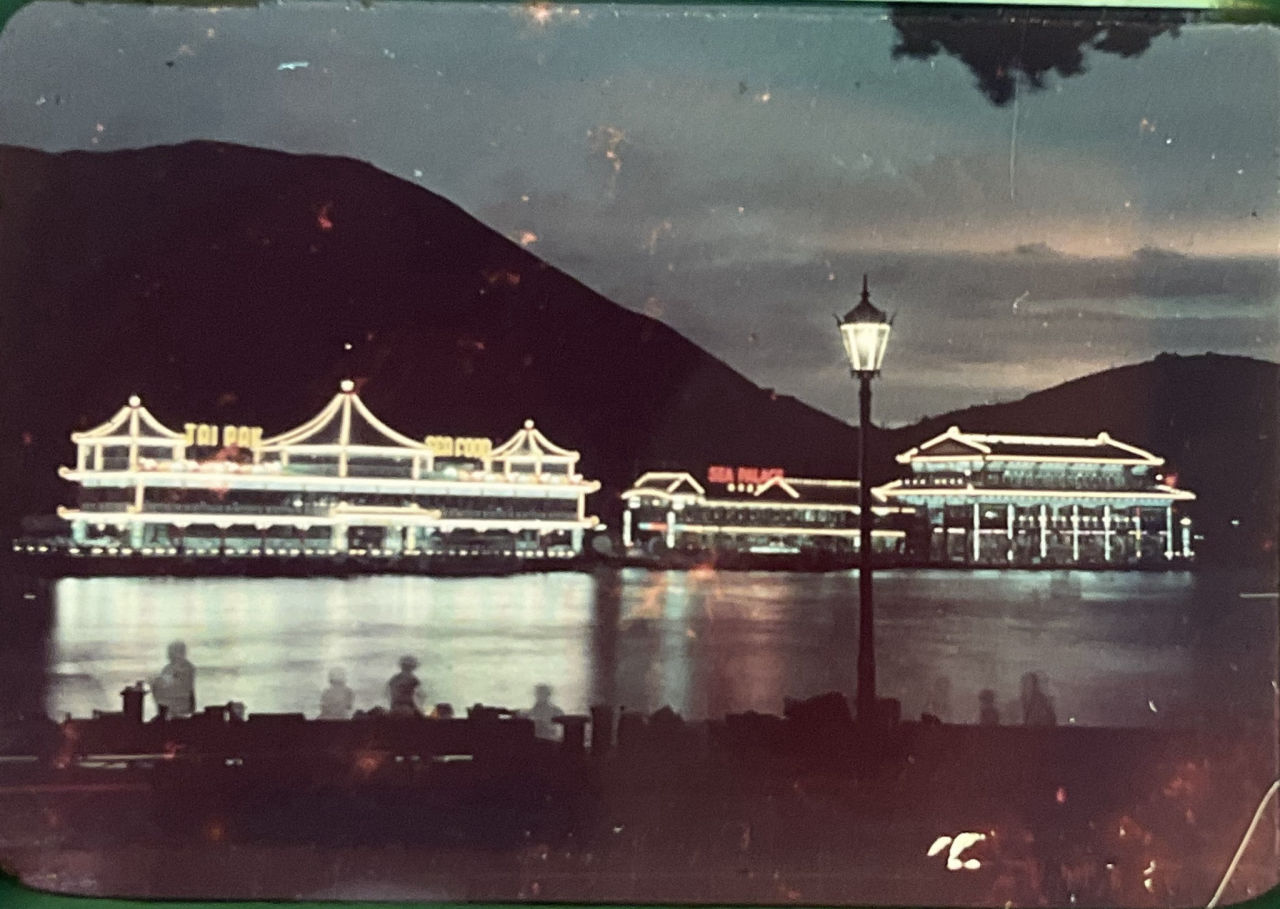
當年所生產的遊客紀念幻燈片
歲月的痕跡:為何舊幻燈片總是一片「紫紅」?
如果你手邊恰好有這些 70 年代的遊客幻燈片,你會發現一個普遍的致命傷:原本蔚藍的維港和璀璨的霓虹燈,如今往往變成一片恐怖的紫紅色。
這並非底片原本的顏色,而是化學染料衰退造成的物理現象。Eastman Color 底片(尤其是早期的配方)乳劑層中的青色(Cyan)和黃色(Yellow)染料極度不穩定,經過半世紀的存放會迅速退化揮發,而洋紅色(Magenta)染料卻相對穩定。當影像失去了青與黃,剩下的洋紅便主導了畫面,產生電影底片保存史上最惡名昭彰的「洋紅色偏」(Magenta Shift)。
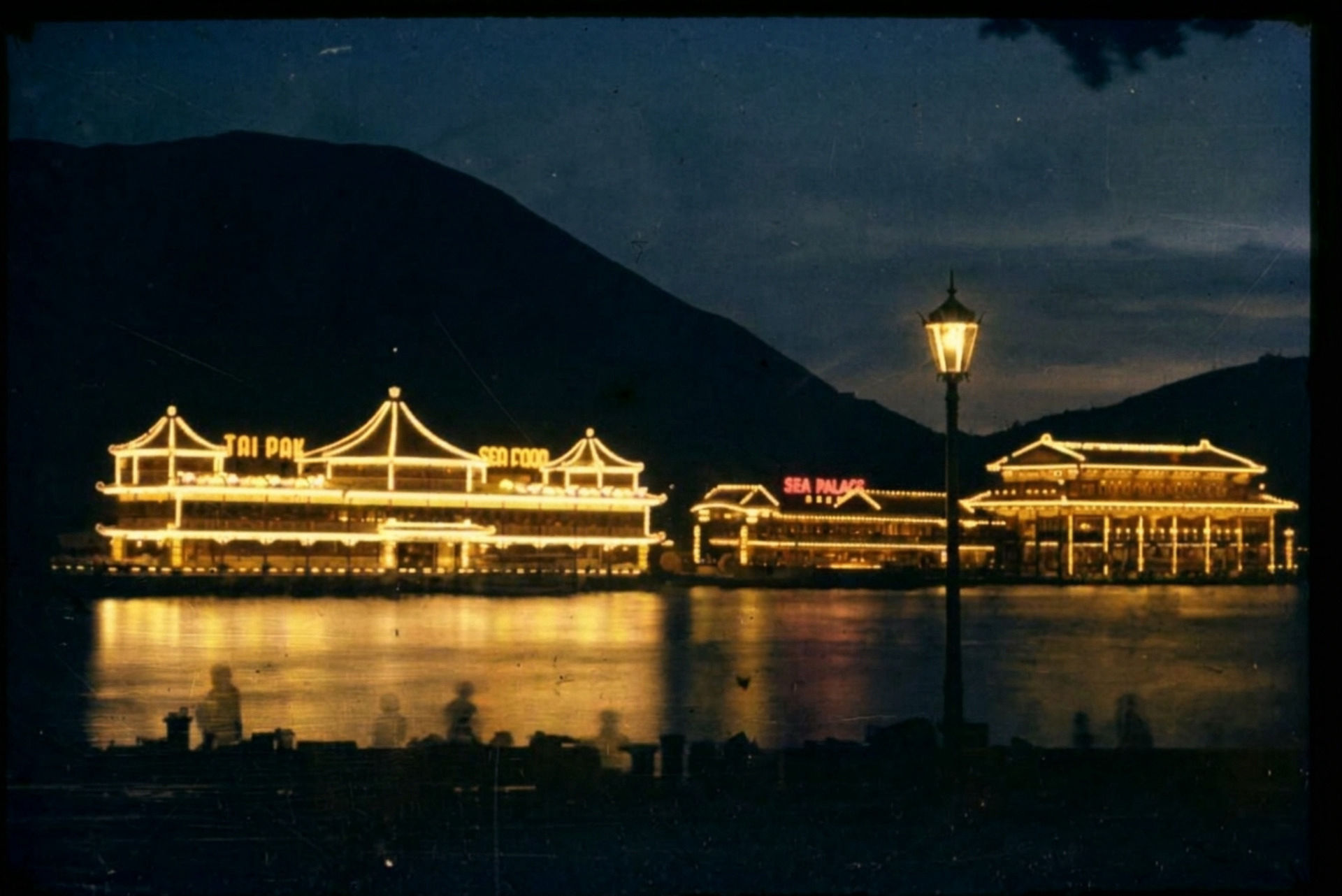
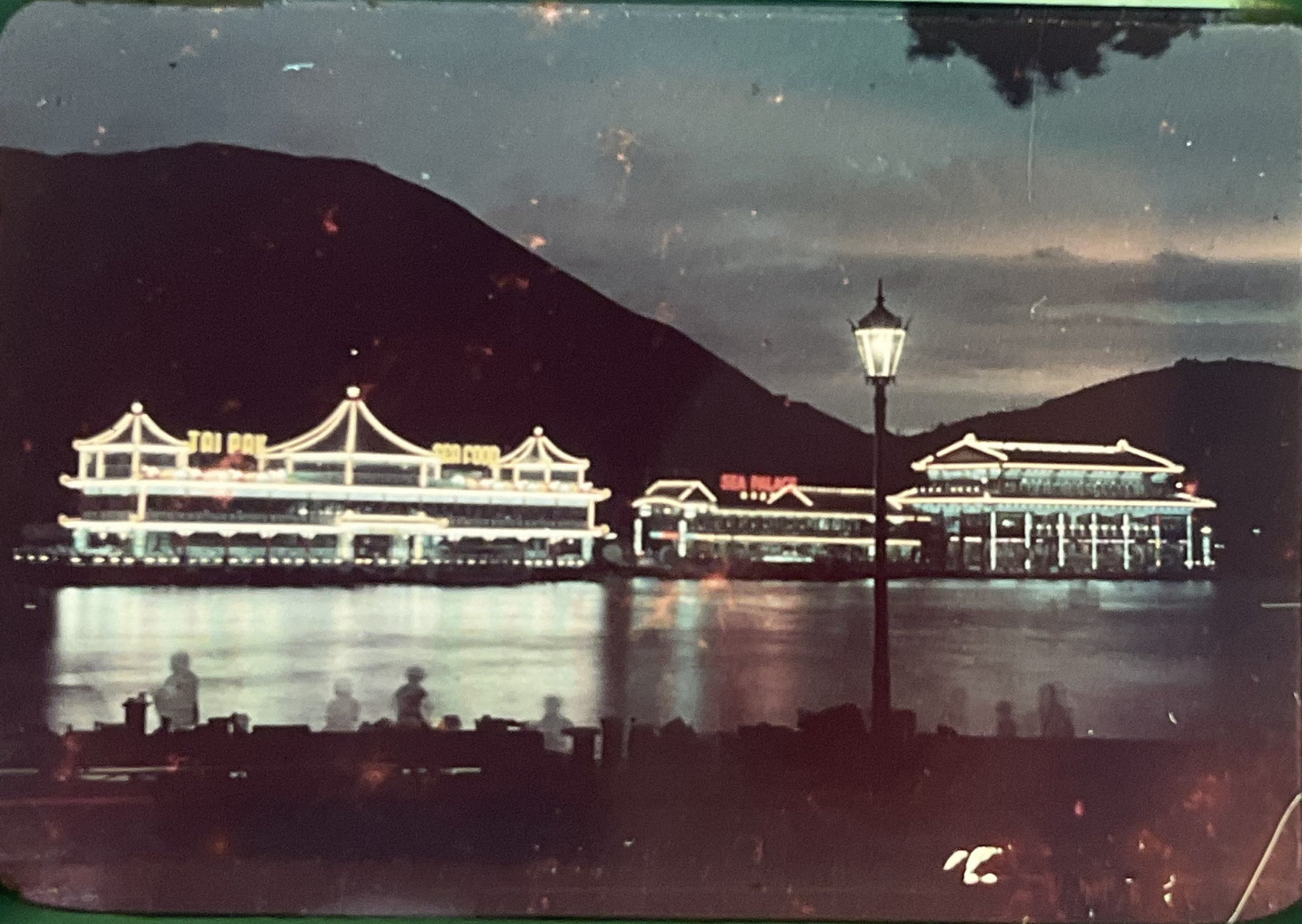
經 GEMINI AI 修復的幻燈片影像
堅持歷史真實:嚴謹的無損修復原則
面對這些珍貴但嚴重偏色的歷史幻燈片,我們必須恪守嚴格的影像保存與修復協議。
這種偏色是化學染料不均勻衰退所致,光譜資訊依然潛藏在底片之中。在數碼化處理時,必須絕對禁止使用任何 AI 生成填充(Generative Fill)、內容感知(Content-Aware)技術,或是無中生有的像素「美化」與構圖篡改。
專業的歷史影像修復,應純粹仰賴高階底片掃描,並透過精準的 RGB 色階(Levels)與色調曲線(Tone Curves)去重新對齊紅、綠、藍通道的白平衡,將隱藏在洋紅底下的青色與黃色光譜還原。唯有這種非破壞性、嚴守光學物理邏輯的修復方式,才能完美避開生成式 AI 帶來的歷史失真,同時絕對保留這層電影底片所獨有、無可取代的真實銀鹽顆粒感(Film Grain)。
English Summary**
Rediscovering the Faded "Pearl of the Orient": 1960s-70s Hong Kong Tourist Slides and Eastman Color Duplication
In the 1960s and 1970s, mass-produced 35mm color slide transparencies were the quintessential souvenirs for foreign tourists visiting Hong Kong. Sold in boxed sets, these slides captured iconic, era-specific scenes such as Victoria Harbour's junk boats, Nathan Road's dense neon signs, and the eclectic architecture of Aw Boon Haw Mansion.
To achieve fast, cost-effective local mass production, Hong Kong publishers largely avoided standard positive slide film formats. Instead, they cleverly adapted motion picture industry workflows, utilizing Eastman Color motion picture negative film. High-quality master slides were first transferred onto an Eastman Color internegative. This negative was then used to rapidly and cheaply mass-print copies onto motion picture print film using high-speed optical printers and continuous cine-film processors, before being cut and mounted into cardboard frames.
Today, these Eastman Color duplicates suffer from severe magenta color shifts. Over the decades, the notoriously unstable cyan and yellow chemical dyes inherent to early Eastman Color film have degraded, leaving the more stable magenta dye to dominate the image.
When digitizing these vital historical documents, strict preservation protocols are non-negotiable. The restoration process must outright ban generative AI fill, content-aware tools, or fabricated composition changes. Instead, professionals must rely on precise RGB level and tone curve adjustments to rescue the latent color spectrum buried beneath the magenta cast. This non-destructive approach guarantees historical authenticity, preventing AI-induced inaccuracies while faithfully preserving the original film grain and structural integrity of the era's visual history.